
Kodacolor 200: First Impressions From the Shibari Rope Art

Over the last few weeks, I’ve been shooting with the newly released Kodacolor 200 film—produced directly under Eastman Kodak rather than Kodak Alaris—while documenting an artistic shibari photo trip. After loading a roll into my Nikon F3HP paired with a fast Ai-S 35mm f/1.4 and shooting in natural indoor light during a soft afternoon golden hour, here’s what Kodacolor 200 brought to the table.

First Look: Shibari Rope Art Shots
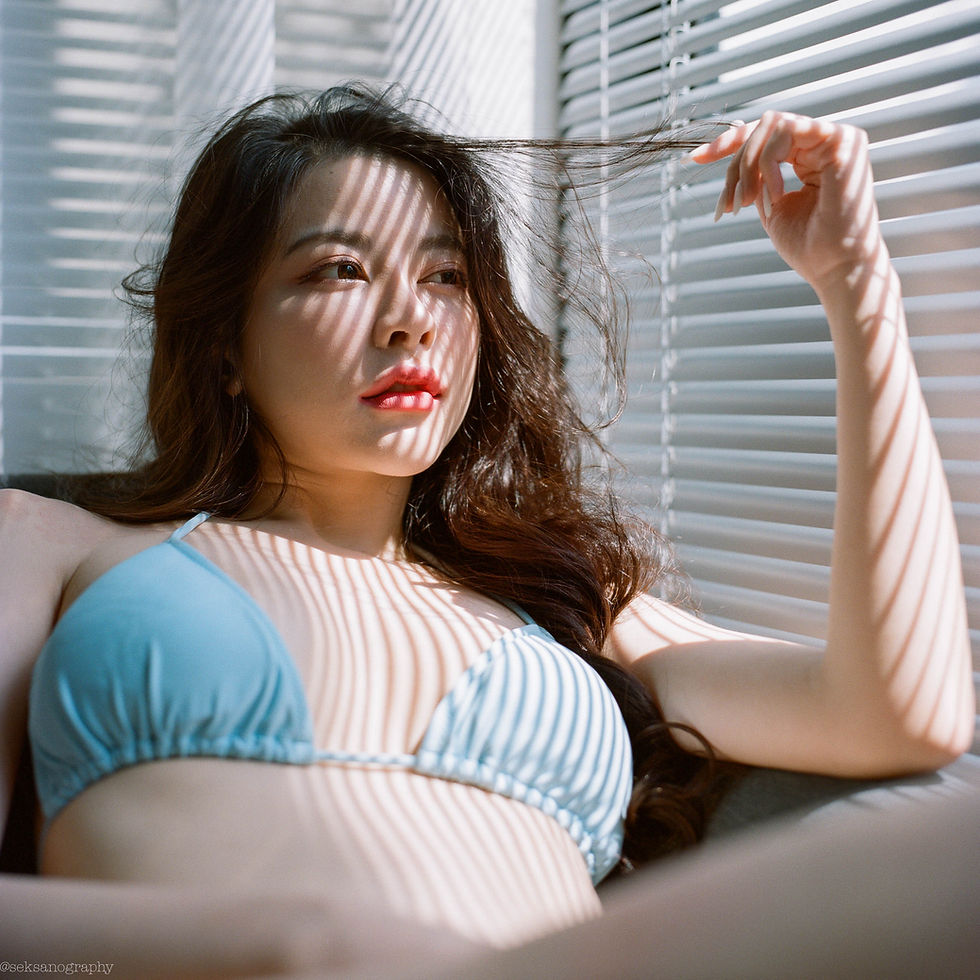
After having the rolls processed and scanned at Lert’s Laboratory, I was genuinely surprised by how much I connected with the results. The color reproduction felt immediately right. Kodacolor 200 leans toward warm, saturated tones without drifting into anything excessive or artificial. Skin tones remain rich yet natural, while the tatami mats and wooden elements in the room carry a soft, slightly golden warmth that helps establish mood and intimacy within the frame. This character is most evident in the midtones and gentle highlights.
Where some budget color films tend to lose presence in low-light environments, Kodacolor 200 held its ground. In soft, diffused afternoon window light, reds, ochres, and flesh tones retained clarity and separation, maintaining depth rather than flattening into muted color. The result feels balanced and expressive—well suited for quiet interior scenes and emotionally driven portrait work.
Rope Bondage captured with Kodakcolor 200 film Tensions Artistic captured with Kodakcolor 200 film
Film Grain & Texture
At ISO 200, the grain is noticeable but controlled — sitting between classic “smooth” low-speed stocks and rougher high-ISO emulsions. Up close, you can see a satisfying texture that gives prints a tangible analog feel without overpowering details. The grain helps add character to areas of shadow and reinforces depth in the frame.
Shadows & Highlights
One of Kodacolor 200’s strongest qualities in this setting was its dynamic range. Shadows retained detail even in the darker corners of the room, where ropes and floor mats formed complex textures. Highlights — such as reflections on skin and the umbrella prop — held information without blowing out entirely, lending a gentle glow instead of harsh clipping.
Overall Dimension
Rather than stark or flat, the images have good three-dimensional impact. Objects feel like they occupy real space, with midtones and cross-tones working together to avoid a “snapshot” aesthetic. The depth in the red and tan elements around the model helps separate foreground and background — a welcome trait in artistic and intimate shooting situations.
Kodacolor 200 display slightly richer saturation Story in skin, captured on Kodacolor 200 Waiting with bated breath Shadows retained detail even in the darker corners of the room good three-dimensional impact
Comparing Kodacolor 200 to Kodak ColorPlus 200
For many photographers familiar with Kodak’s lineup, Kodacolor 200 will feel like an evolution of ColorPlus 200 — a beloved, budget-friendly film known for its warm and nostalgic tones. ColorPlus has a warmer, somewhat more muted palette with a lo-fi charm that evokes everyday snapshots. Kodacolor 200, on the other hand, tends to display slightly richer saturation and more consistent color reproduction across diverse lighting conditions.
Kodacolor 200 has a lot going for it. First—and perhaps most importantly—it’s affordable. Beyond the price point, the film delivers a pleasant, well-controlled grain structure that never feels overpowering, especially when compared to Kodak Gold in certain lighting conditions. It’s also impressively forgiving. During a Veterans Day parade shoot, I later realized I had overexposed by nearly two stops, yet the negatives still yielded reliable, well-balanced exposures with plenty of usable detail.
The Versatility of Kodacolor 200
Kodacolor 200 is not just a film for specific scenarios. Its versatility makes it suitable for various photography styles. Whether you are capturing portraits, landscapes, or street scenes, this film adapts well. The warm tones and rich saturation enhance the visual appeal of any subject. This adaptability is one of the reasons why many photographers are drawn to it.
Final Thoughts
Kodacolor 200 is a well-rounded color film that bridges snapshots and creative work. In this shibari rope art session, it delivered:
✔ Balanced colors with appealing warmth
✔ Texture and grain with an analog feel
✔ Strong shadow detail and smooth highlights
✔ A versatile look that is both artistic and expressive
Whether you’re a portrait shooter, a street photographer, or someone dipping into film for the first time, Kodacolor 200 offers real creative potential.
Have you shot Kodacolor 200 yet? Share your experiences — I’d love to see how it performs in your creative projects!


Comments